
Repair the Pipe Without Digging Up the Yard
Trenchless Pipe Lining in Orange County
CIPP rebuilds a new pipe inside the old one. Camera first. Digging only if the line cannot be lined.
Trenchless lining is not right for every pipe. We inspect first and explain what the camera shows before recommending the work.
What CIPP actually does
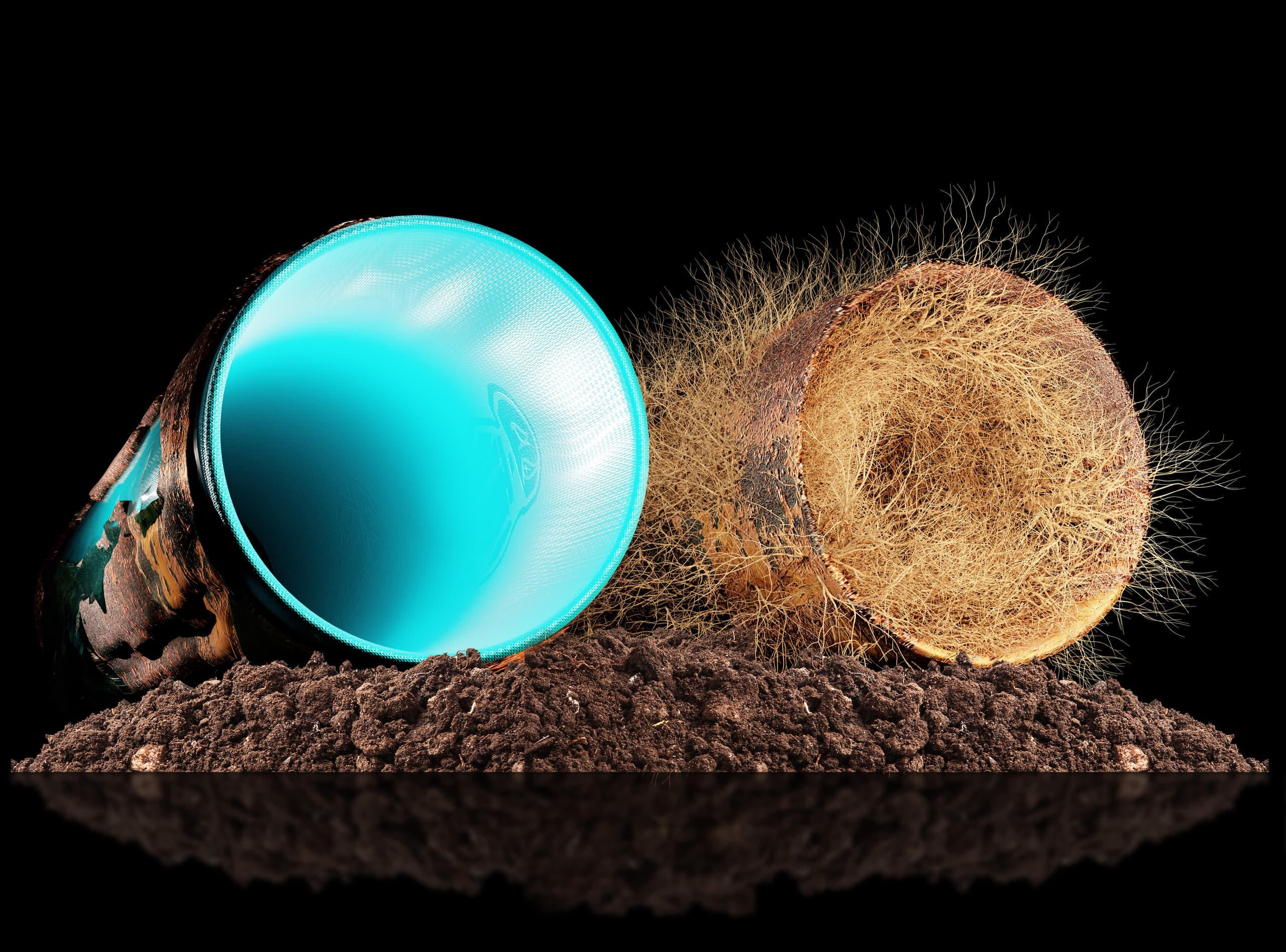
A new pipe formed inside the old one
Cured-in-place pipe lining saturates a felt or composite tube with resin, places it through the existing line, and cures it against the host wall. The finished liner is continuous through the repair section, so roots and joints lose the openings they used before.
01 Inspect
Camera maps roots, scale, cracks, and joints.
02 Clean
Jetting and prep clear the host pipe.
03 Line
A resin liner is inverted and cured in place.
04 Verify
Post-camera confirms the finished repair.
The Problem
The Sewer Problem Is Often Inside the Pipe
Most sewer failures do not begin with a complete collapse. They begin slowly.
The inside of an older cast iron pipe starts to corrode. Scale builds along the walls. Clay joints separate. Roots enter through a small opening. A crack catches paper and waste. Grease collects against a rough section. Flow becomes restricted, and the line starts backing up more often.
A cleaning may restore flow, but cleaning alone does not rebuild a damaged pipe.
Jetters N' Drains looks beyond the immediate blockage. We use a sewer camera to find the condition causing the repeated problem.
The solution
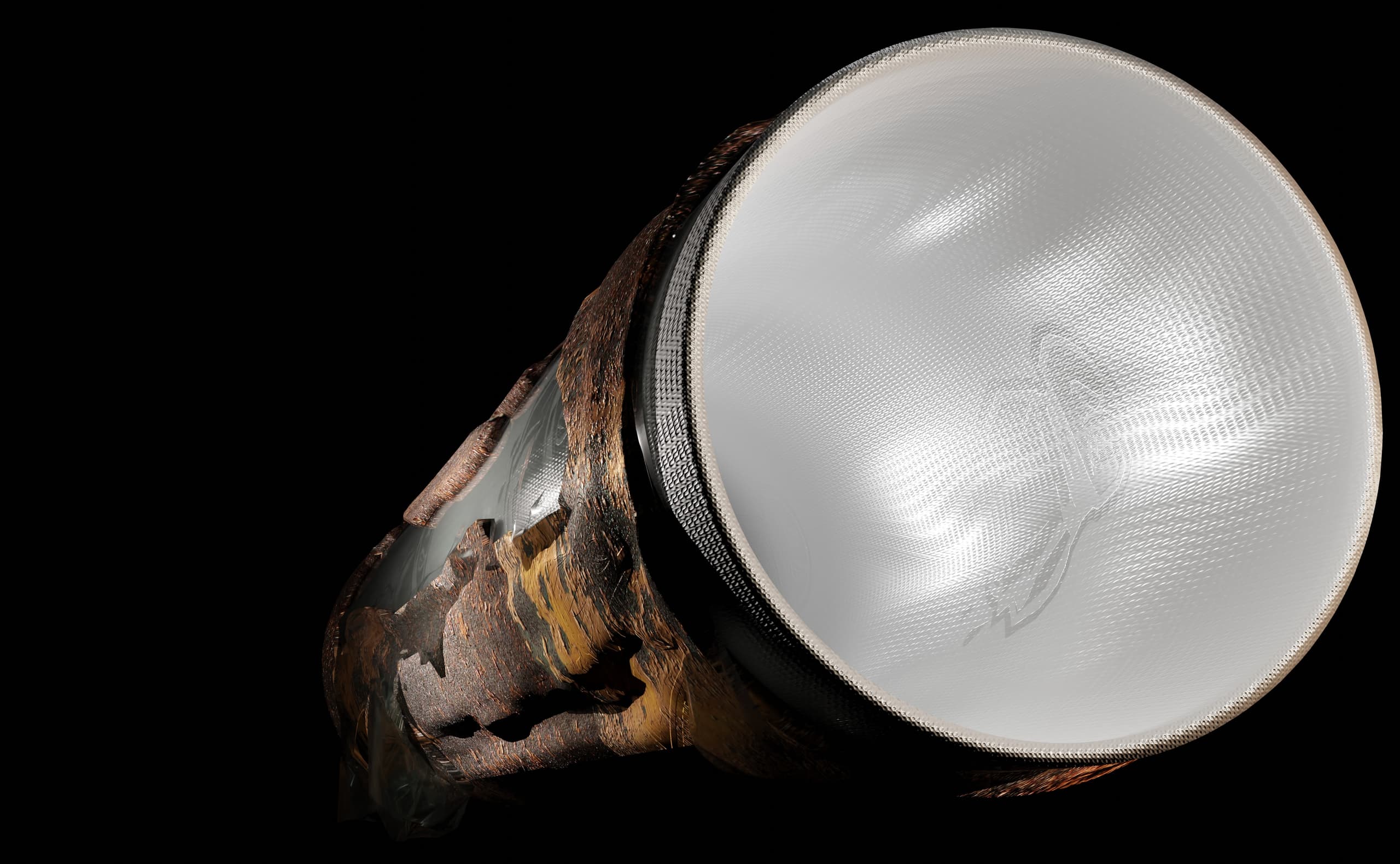
Trenchless pipe lining creates a new continuous pipe surface inside the existing sewer or drain line. After inspection, cleaning, and preparation, a resin-saturated liner is installed through an access point, pressed against the host wall, and cured in place. This process is commonly called cured-in-place pipe lining, or CIPP.
CIPP is not a liquid coating. It is a formed liner installed inside the pipe. The host pipe still matters. Lining cannot correct failed slope, severe collapse, major deformation, or a pipe section that no longer provides a usable pathway.
Inspection to finished liner
From deteriorated interior to cured-in-place rehabilitation
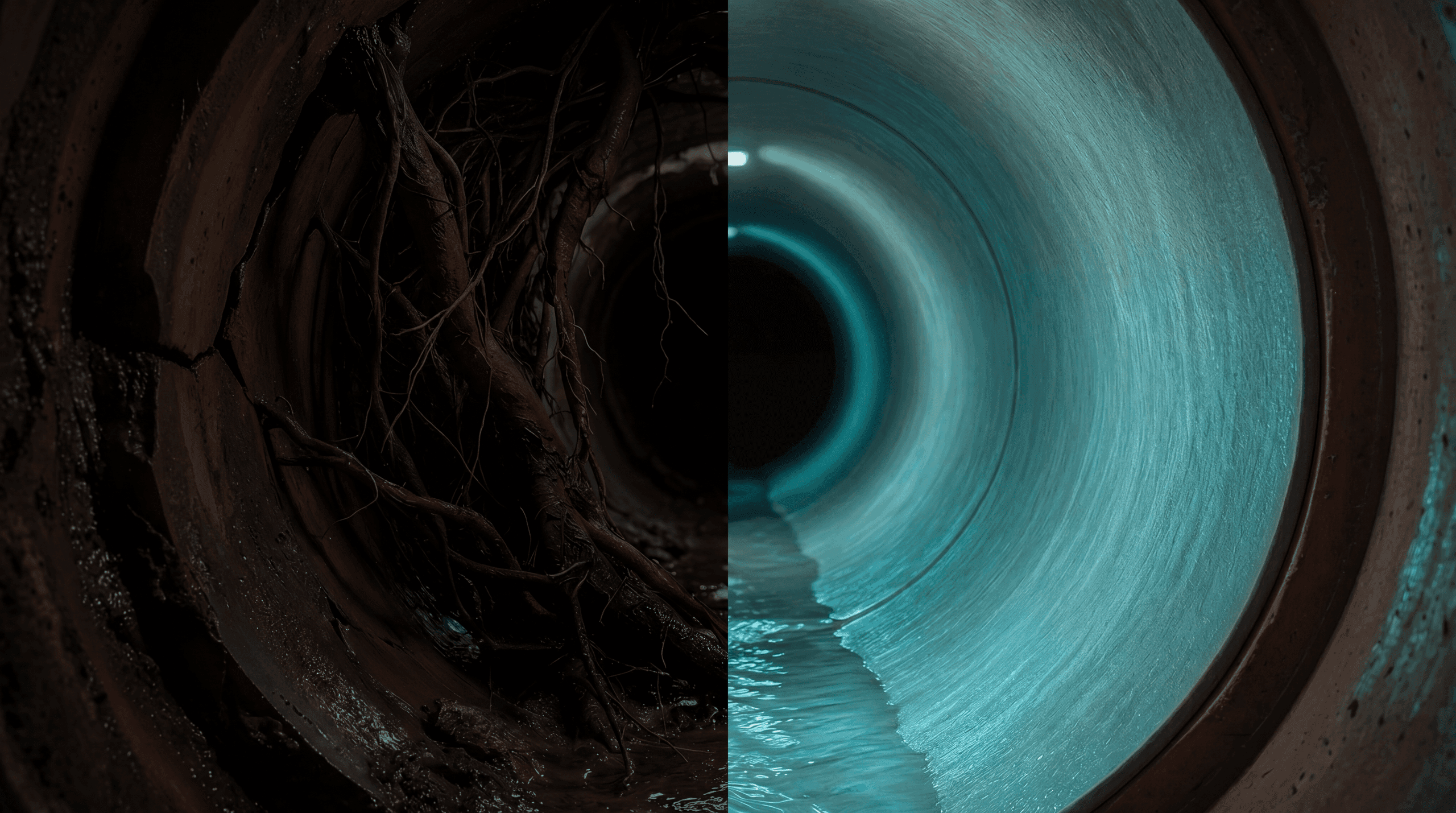
These images illustrate typical pipe conditions and CIPP equipment stages. They are examples of deteriorated and rehabilitated interiors, not presented as one matched project pair.
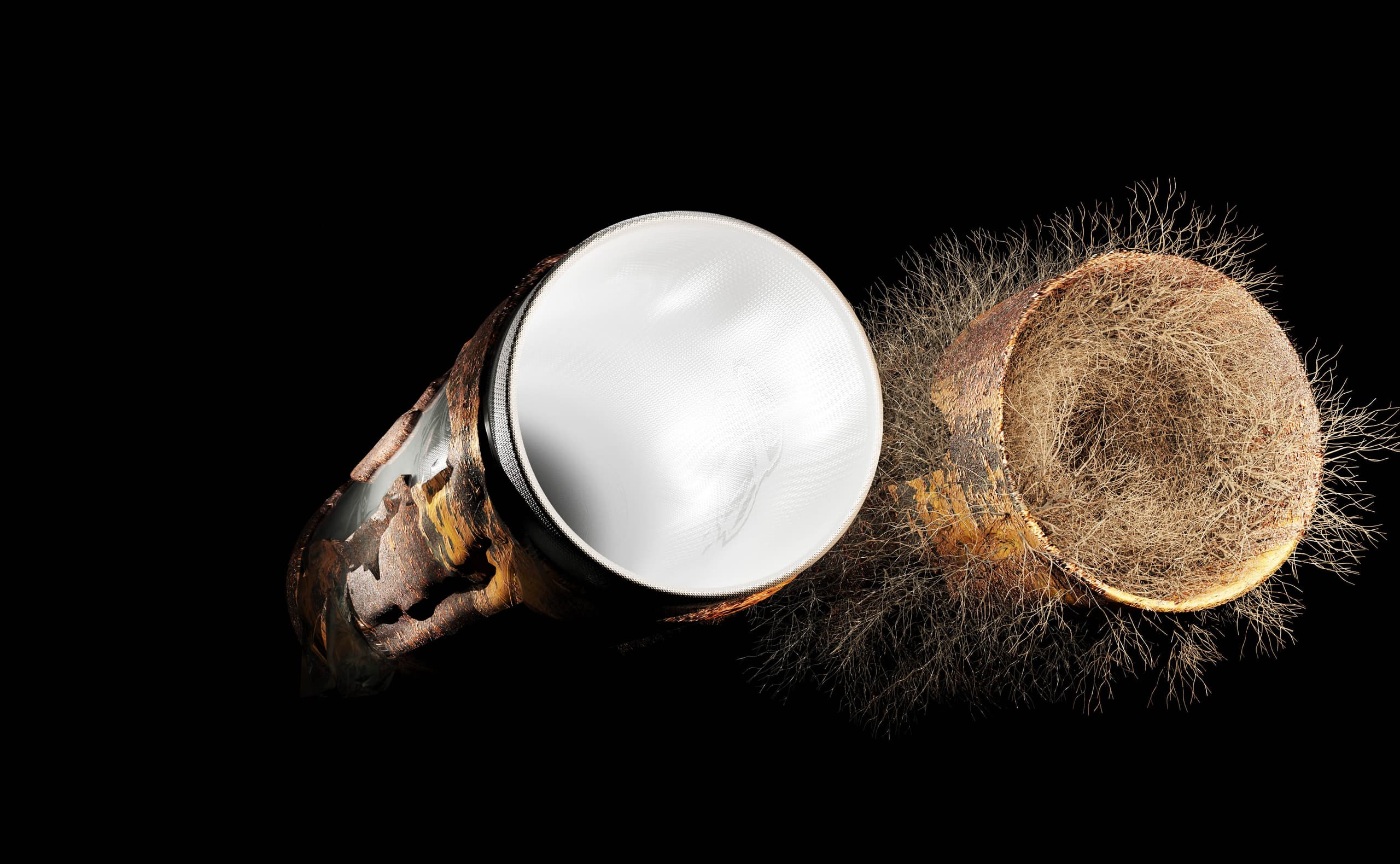 Deteriorated pipe
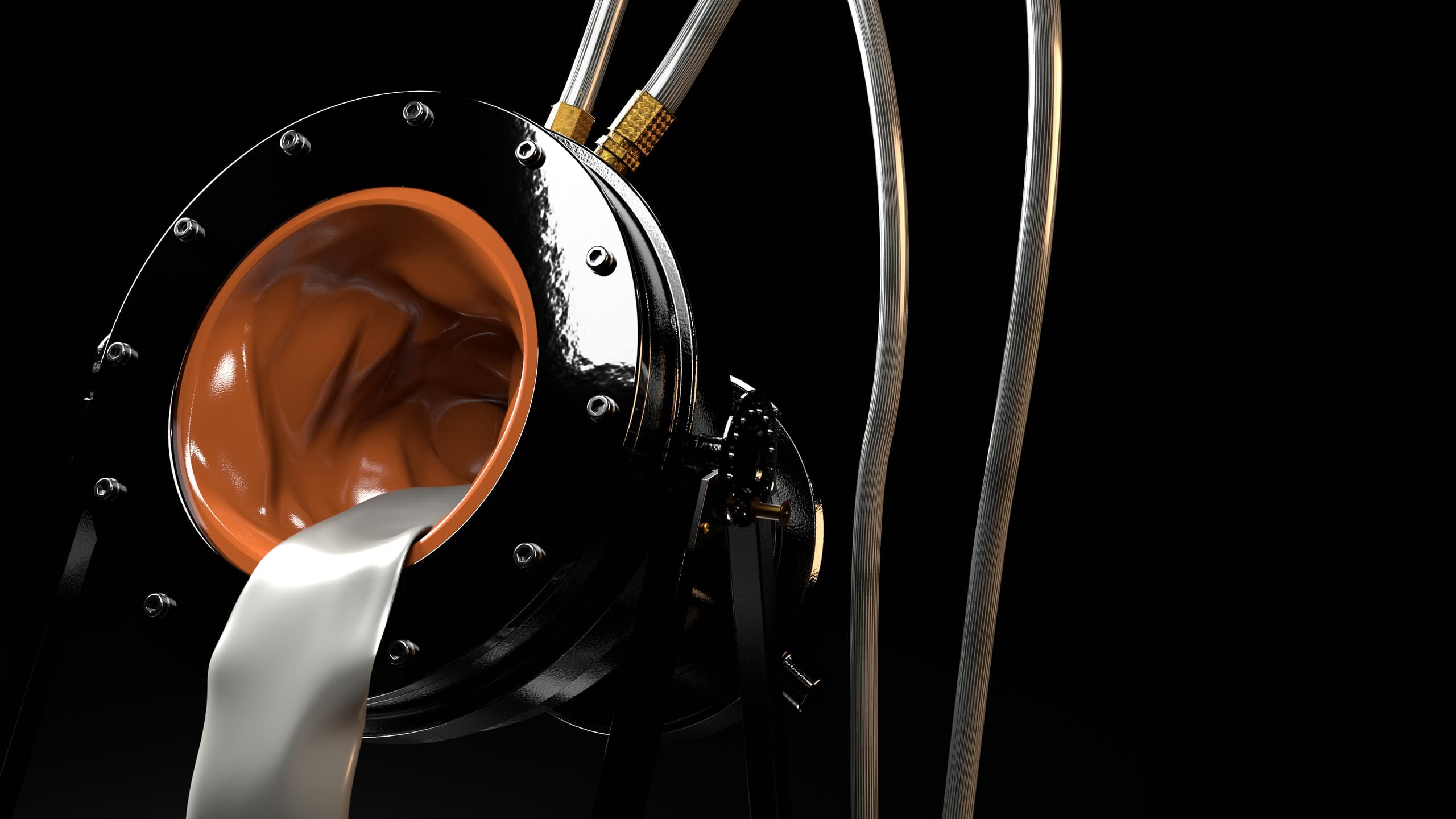 Preparation
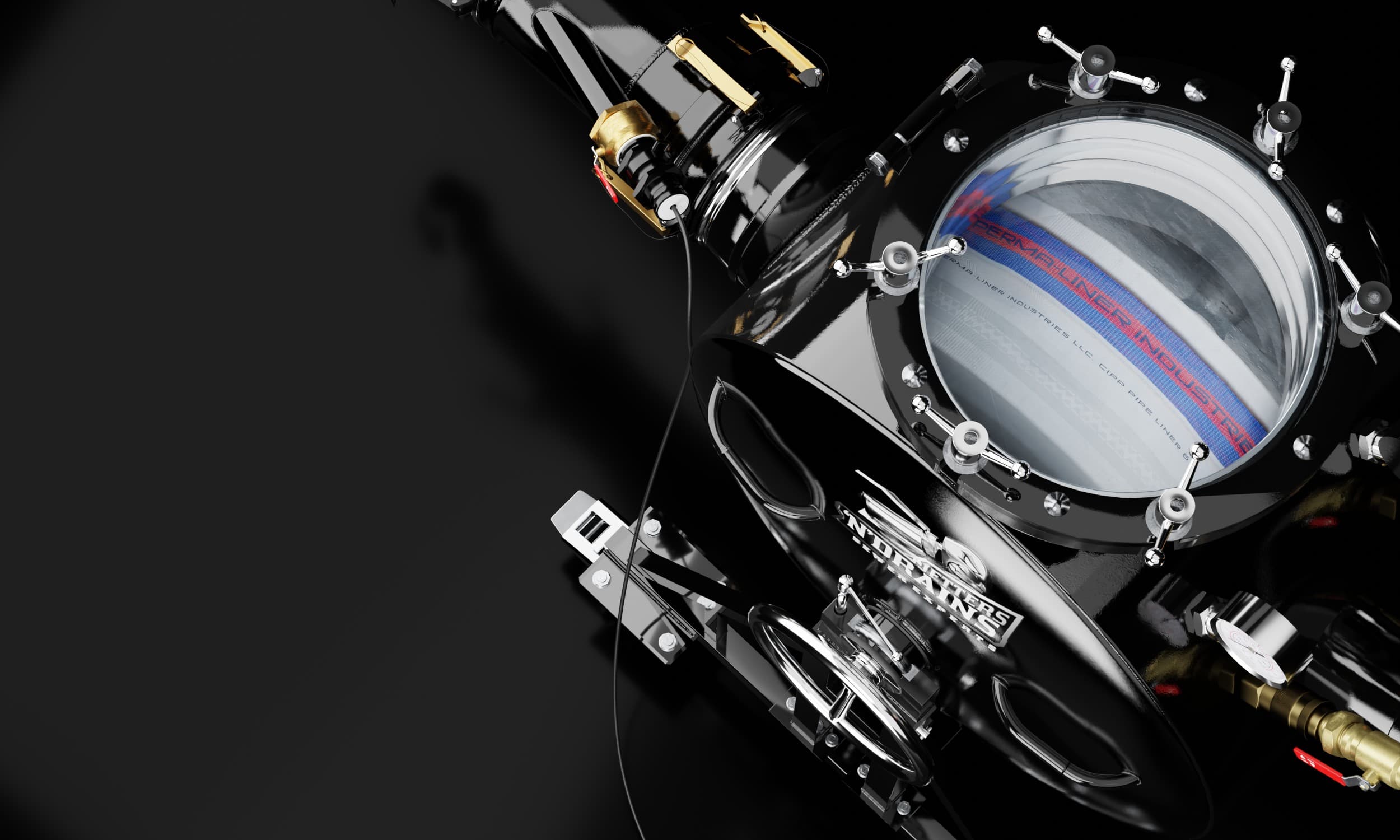 Liner installation
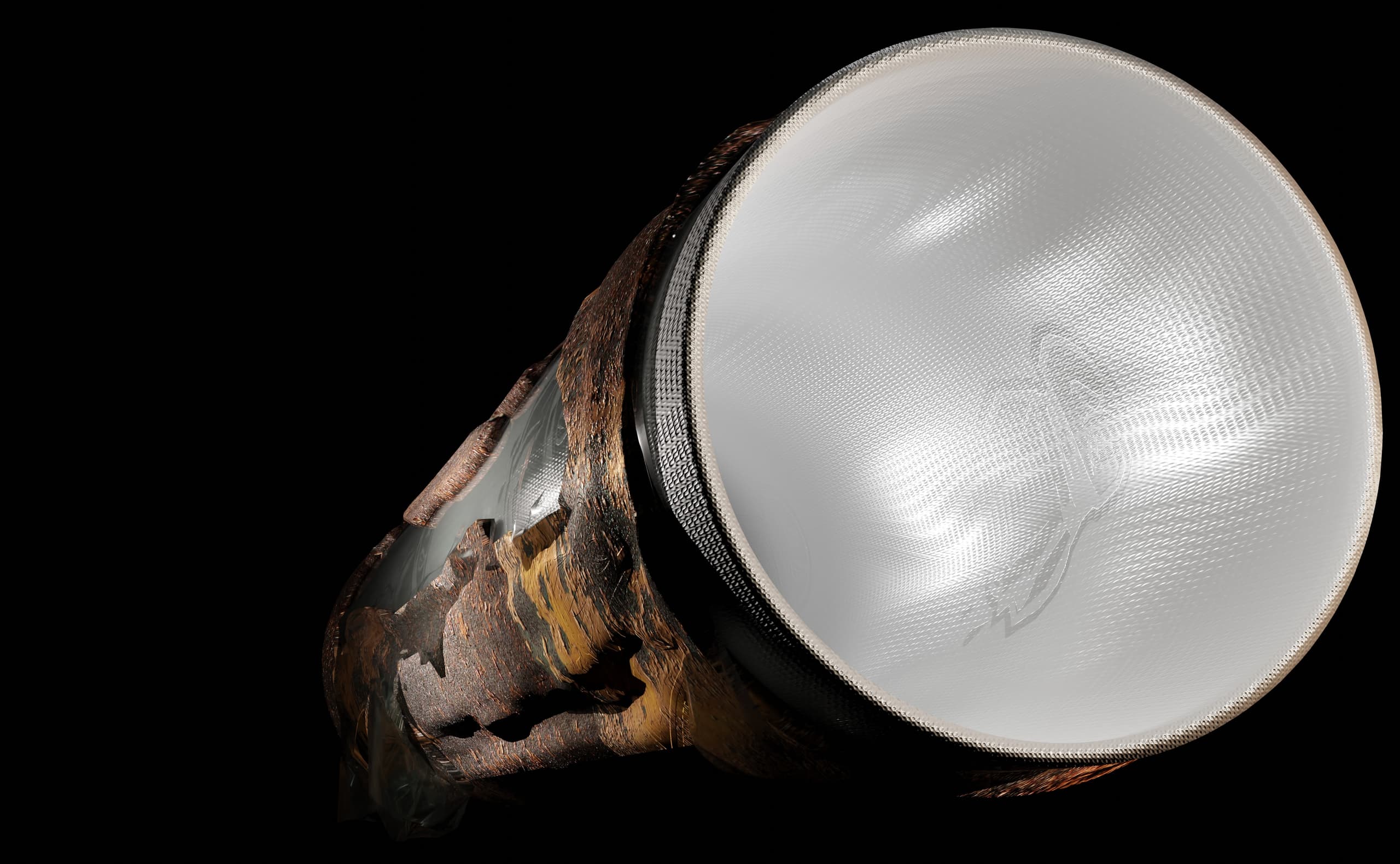 Completed liner
Swipe to see each stage
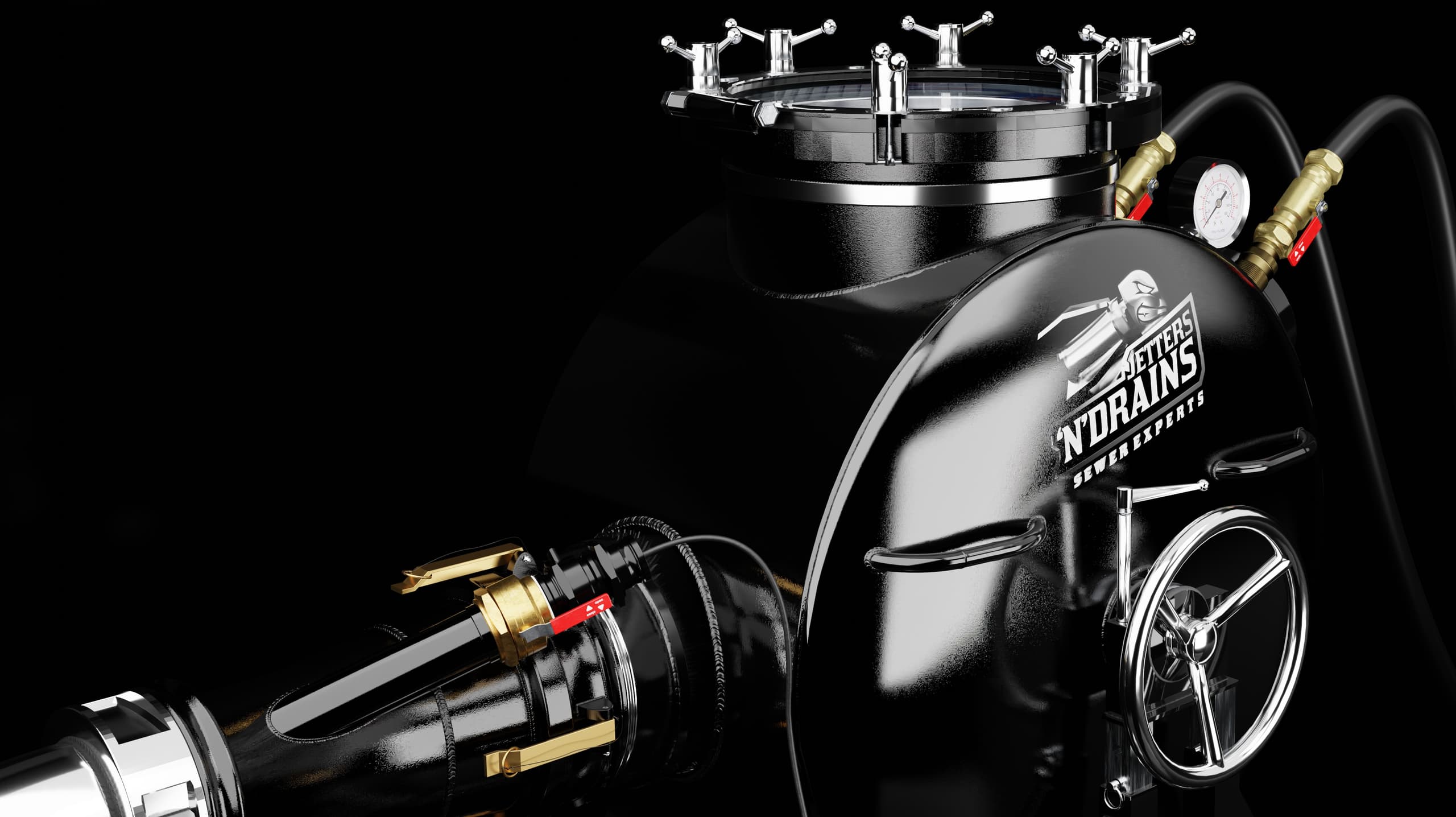
CIPP Equipment
Controlled Installation with Professional Lining Equipment
Jetters N' Drains installs trenchless liners with inversion and lining systems designed for controlled CIPP work. The liner is prepared, positioned through the planned access point, and held against the host pipe while it cures.
Equipment selection, liner sizing, resin handling, and pressure control are part of the repair plan. The goal is a continuous liner through the repair section without twists, folds, or improper alignment.
When branch connections are covered by the liner, robotic cutting or another appropriate method can reopen qualifying openings after cure.
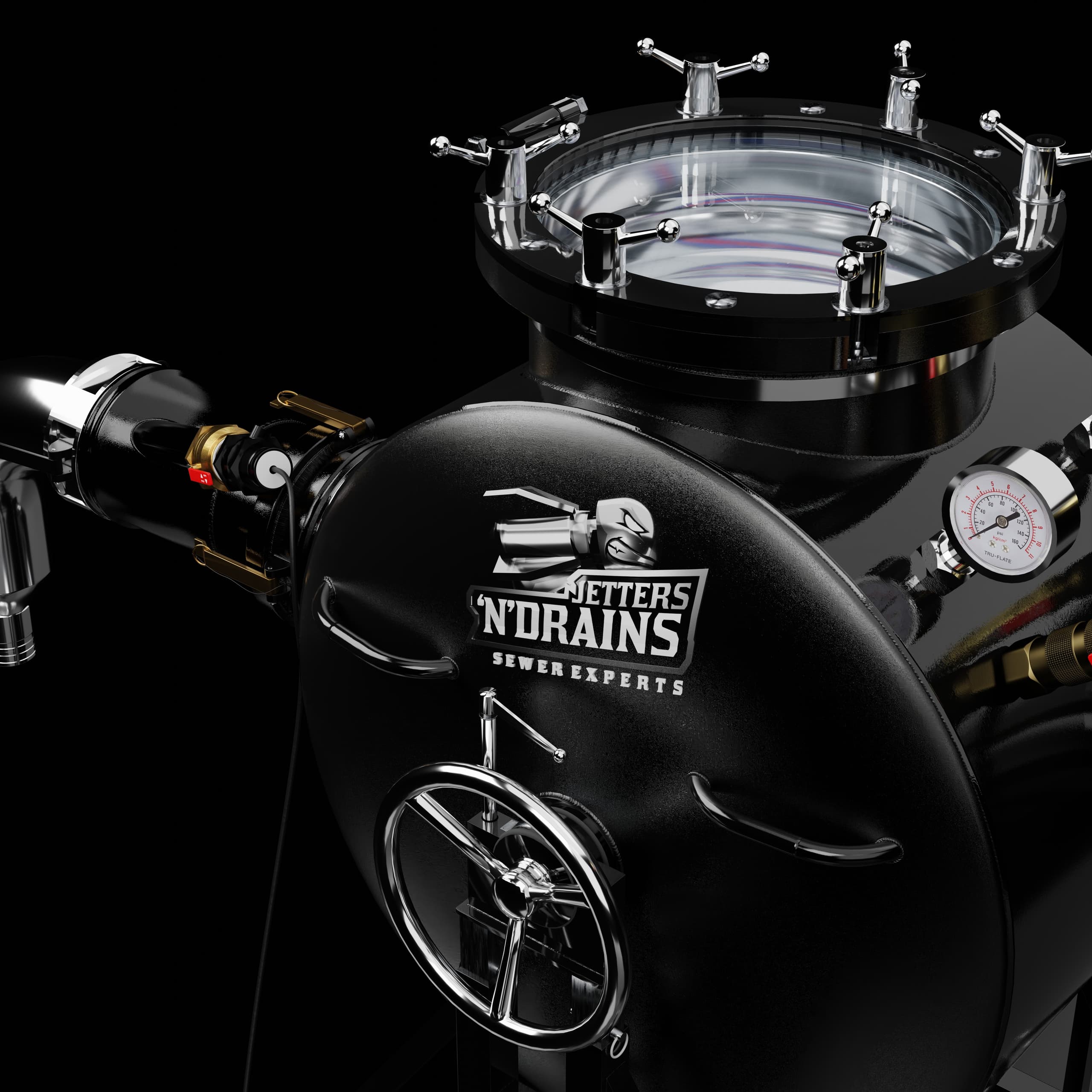
Controlled Inversion Pressure
Air or water pressure holds the liner against the host pipe wall during cure so the liner conforms through the repair section.
Tap for a quoteResin-Saturated Liner
A felt or composite liner is wet out with the specified resin system under controlled conditions before installation.
Tap for a quoteMatched Diameter and Length
Liner selection accounts for pipe diameter, repair length, geometry, access, and branch connections.
Tap for a quoteInversion or Pull-In Placement
Depending on the system and project, the liner may be inverted or pulled into place through the planned access point.
Tap for a quoteManaged Cure Cycle
Curing follows the approved method for the selected liner and resin so the finished interior hardens before return to service.
Tap for a quoteFinal Camera Verification
A post-cure CCTV pass documents liner continuity, terminations, and reopened branch connections.
Tap for a quoteWarning Signs
Signs Your Sewer Line May Need Beyond Cleaning
One backup does not always mean the pipe needs lining. Repeated symptoms, especially after cleaning, usually justify a full camera inspection.
- the same sewer line keeps backing up
- roots return after cutting or hydro jetting
- drains become slow again shortly after cleaning
- toilets bubble or gurgle when other fixtures drain
- several fixtures back up at the same time
- sewage appears in a tub, shower, floor drain, or cleanout
- the camera shows corrosion, cracks, holes, or separated joints
- sections of pipe hold water because buildup has reduced the opening
- foul sewer odors return without an obvious fixture problem
- older cast iron piping sheds rust and scale during cleaning
- a property has a history of sewer repairs in the same area
- the line runs below concrete, flooring, landscaping, or other finished areas
Repeated cleaning is often a symptom-management plan. If the pipe wall is damaged, the long-term solution must address the pipe itself.
What We Can Fix
Pipe Problems Jetters N' Drains Can Often Repair with Lining
The correct repair depends on the camera inspection, pipe material, diameter, access, geometry, and remaining condition of the host pipe. When the line is a good candidate, trenchless lining can repair many common sewer defects.
Cracked Sewer Pipe
A cured liner can bridge qualifying longitudinal and circumferential cracks when the pipe remains stable enough to support rehabilitation.
Corroded Cast Iron
After scale and loose corrosion are removed, lining can isolate the remaining cast iron from wastewater and create a smoother interior.
Root-Damaged Joints
Roots are removed before lining. The liner can then seal qualifying joints and cracks that previously allowed root entry.
Separated Pipe Joints
Minor joint separation may be bridged when the pipe alignment remains suitable for liner installation.
Small Holes and Missing Wall Areas
A properly designed liner may span localized wall loss when the remaining pipe still provides the required shape and installation pathway.
Rough Pipe Interior
The liner covers scaling, pitting, and rough surfaces that repeatedly catch waste and contribute to stoppages.
Leaking Sewer Sections
A continuous liner can seal qualifying cracks, joints, and porous areas within the lined section.
Under-Slab Sewer Lines
Lining may repair qualifying pipe below concrete slabs without opening the full route from above.
Pipes Below Finished Areas
The method may reduce demolition below flooring, driveways, patios, landscaping, walls, parking areas, and occupied spaces.
Commercial Building Drains
Selected building drains, laterals, mains, and vertical piping may be rehabilitated with a project-specific lining plan.
Our Process
How Jetters N' Drains Performs Trenchless Pipe Lining
Inspection, cleaning, preparation, installation, curing, reinstatement, and verification are treated as one integrated repair process.
Sewer Camera Inspection
We inspect the full accessible pipe with a sewer camera. We locate cracks, roots, scale, offsets, joints, holes, standing water, branch connections, transitions, and previous repairs. The camera inspection establishes whether the pipe is a possible lining candidate. It also helps us determine the length, diameter, access requirements, and preparation plan.
See our sewer camera inspection service.
Locate and Map the Repair Area
We locate the pipe from the surface and identify the damaged section. This helps confirm the route, depth, access points, branch locations, and areas where limited excavation may still be necessary.
Remove Roots, Scale, Grease, and Debris
The pipe must be clean before it can be lined. Depending on the condition, we may use hydro jetting, mechanical descaling, chain cleaning, root cutting, specialized nozzles, or other equipment to remove deposits and obstructions. Restoring flow is not enough. The pipe wall must be prepared for liner installation.
Cleaning may include hydro jetting, mechanical descaling, or robotic cutting.
Reinspect the Cleaned Pipe
After cleaning, we run the camera again. Heavy buildup can hide cracks, holes, offsets, and wall loss. The post-cleaning inspection shows the actual condition of the pipe and confirms whether the lining plan still makes sense.
Prepare the Liner
The liner is selected and prepared for the pipe diameter, length, geometry, and repair requirements. The liner is saturated with the specified resin system under controlled conditions. Accurate measurement, resin handling, wet-out, and working time are critical to the installation.
Install the Liner
The prepared liner is introduced through the planned access point and positioned inside the host pipe. Depending on the system and project, the liner may be inverted or pulled into place. The goal is to position it continuously through the repair section without twists, folds, or improper alignment.
Press the Liner Against the Pipe Wall
Air or water pressure is used to hold the liner against the interior of the host pipe during curing. This pressure helps the liner conform to the existing pipe shape and maintain contact through the repair section.
Cure the Liner
The resin is cured using the approved method for the selected system. Curing may use ambient conditions, hot water, steam, ultraviolet light, or another specified process depending on the liner and resin technology. The pipe remains out of service until the required cure is complete.
Reopen Branch Connections
When the liner passes existing branch connections, those openings may need to be reinstated. Jetters N' Drains can use robotic cutting equipment or other appropriate methods to reopen qualifying connections from inside the lined pipe. Each connection must be opened cleanly without unnecessarily damaging the surrounding liner.
Branch reinstatement may use robotic cutting equipment.
Final CCTV Verification
We perform a final camera inspection after curing and reinstatement. We verify the visible liner condition, terminations, branch openings, transitions, and overall continuity of the repair. The camera record documents the finished interior before the line is returned to normal service.
Repair Options
Pipe Lining or Traditional Excavation?
Traditional replacement remains necessary for some failures. Trenchless lining is valuable because it can repair a qualifying pipe while reducing the amount of demolition required to reach it.
| Project Consideration | Trenchless Pipe Lining | Traditional Pipe Replacement |
|---|---|---|
| Access | Usually installed through existing or limited access points. | Requires physical access to the pipe route. |
| Excavation | May reduce excavation significantly. | Often requires trenching, concrete removal, wall access, or floor demolition. |
| Finished Surfaces | May preserve more flooring, pavement, landscaping, hardscape, and interior finishes. | Often requires removal and restoration of finished areas. |
| Pipe Condition | Requires a pipe that still provides a viable pathway and suitable geometry. | Can address collapse, severe deformation, failed grade, and missing sections. |
| Project Disruption | May reduce disruption when access and preparation are manageable. | Can involve larger work zones and more restoration. |
| Repair Geometry | Best for qualifying continuous sections and configurations that can be installed and verified. | Allows full physical correction of grade, alignment, diameter, and pipe routing. |
| Final Decision | Selected after inspection confirms candidacy. | Selected when structural or geometric conditions prevent rehabilitation. |
Evaluate firstCIPP resultThe right choice depends on the pipe, not the sales pitch. Jetters N' Drains shows the customer what the camera found and explains which repair method fits the condition. For a different trenchless method, see spray-in-place pipe lining.
Applications
Residential and Commercial Trenchless Pipe Lining
Residential
Residential sewer lines often run below driveways, slabs, patios, landscaping, finished floors, and other areas that are expensive to disturb. Older homes may also contain cast iron or clay piping that has been cleaned repeatedly but continues to develop roots, corrosion, cracks, and blockages.
- sewer laterals
- under-slab drain lines
- cast iron building drains
- clay sewer pipes
- pipes below driveways
- pipes below patios
- pipes below landscaping
- pipes below finished flooring
- recurring root intrusion
- repeated sewer backups
- corroded drain and waste lines
- qualifying vertical piping
Commercial
Commercial sewer repair requires planning beyond fixing the pipe. The work must account for occupancy, operating hours, tenant access, wastewater use, safety, clean work areas, and project phasing.
- apartment and condominium properties
- hotels
- restaurants
- retail centers
- office buildings
- schools
- healthcare facilities
- industrial properties
- warehouses
- property management portfolios
- institutional buildings
- mixed-use developments
- commercial kitchens
- underground building drains
- vertical waste lines
- sewer laterals and mains
We do not recommend lining based only on the age of the building. We inspect the actual pipe and build the repair plan around what the camera shows. Commercial projects may also require phased shutdowns, bypass planning, after-hours work, and detailed camera documentation.
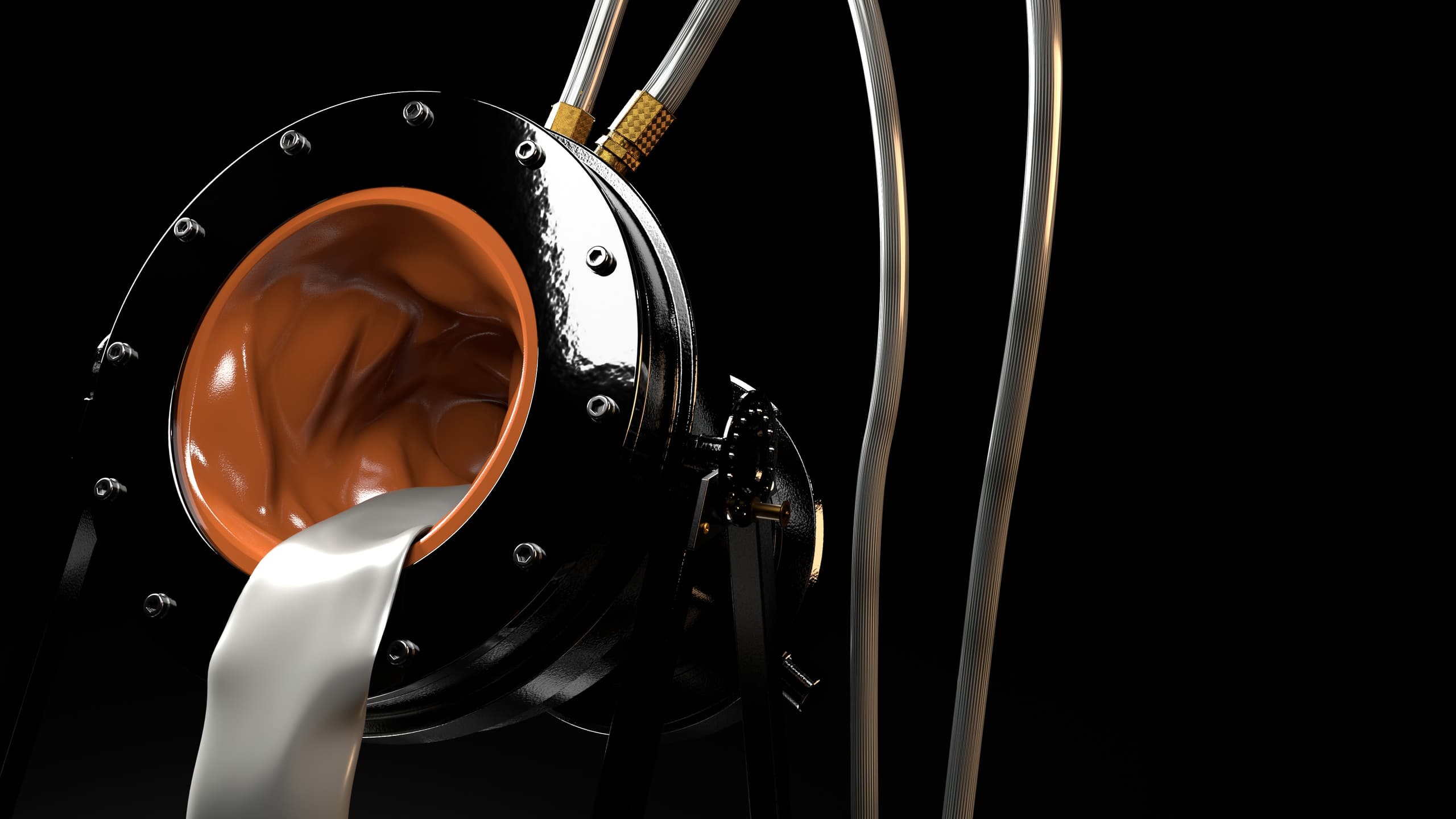
Preparation
The Liner Is Only as Good as the Preparation Below It
A trenchless lining project is not successful because a liner was placed inside a pipe. It is successful because the pipe was properly inspected, cleaned, prepared, installed, cured, and verified.
Accurate Inspection
The crew must understand the defect, pipe geometry, access, and branch layout before installation.
Tap for a quoteComplete Cleaning
Roots, grease, rust, scale, and loose pipe material must be removed.
Tap for a quoteStable Pipe Shape
The host pipe must still provide a viable pathway for liner installation and curing.
Tap for a quoteCorrect Liner Selection
The liner must match the pipe diameter, length, geometry, service, and repair requirements.
Tap for a quoteControlled Resin Handling
Resin quantity, mixing, saturation, temperature, and working time affect the finished liner.
Tap for a quoteProper Installation Pressure
The liner must remain positioned against the host pipe during cure.
Tap for a quoteVerified Cure
The liner must reach the required cure condition before the pipe returns to service.
Tap for a quoteConnection Reinstatement
Branches must be reopened accurately and inspected.
Tap for a quoteFinal Camera Documentation
The completed repair must be visible and verifiable.
Tap for a quoteBenefits
Why Property Owners Choose Trenchless Pipe Lining
When the existing pipe is a qualifying candidate, lining may repair the damaged section while reducing the amount of demolition required to reach it.
Less Excavation
A qualifying line can often be repaired without exposing the entire pipe route.
Tap for a quoteReduced Surface Damage
Lining may help preserve concrete, flooring, landscaping, pavement, patios, walls, and other finished areas.
Tap for a quoteContinuous Interior Repair
The liner creates a continuous pipe surface through the rehabilitated section.
Tap for a quoteSealed Cracks and Joints
Qualifying cracks, joints, and wall defects are covered within the lined section.
Tap for a quoteSmoother Flow Surface
The finished liner replaces a rough, scaled, or corroded interior with a smoother surface.
Tap for a quoteRoot Entry Reduction
Roots are removed before lining, and qualifying entry points within the lined section are sealed.
Tap for a quoteResidential and Commercial Use
Lining can be evaluated for homes, multifamily properties, commercial buildings, and other facilities.
Tap for a quoteDocumented Repair
Pre-cleaning, post-cleaning, and final camera inspections can document the condition and finished work.
Tap for a quoteTargeted Rehabilitation
The lining plan can focus on the damaged section instead of automatically replacing every connected pipe.
Tap for a quoteReduced Restoration Work
Less demolition can mean less rebuilding after the sewer repair is complete.
Tap for a quoteLimitations
When Trenchless Lining Is Not the Right Repair
A good contractor must know when not to line a pipe. Jetters N' Drains does not force a liner into a sewer that needs excavation, pipe bursting, sectional repair, or full replacement.
- a fully collapsed pipe
- a crushed or severely deformed section
- a major offset that prevents liner installation
- a missing section with no usable pathway
- failed slope or a low area caused by improper grade
- active ground movement
- severe intrusion that cannot be removed
- a pipe diameter too restricted for proper preparation
- an obstruction that prevents cleaning or camera access
- a configuration that cannot be lined and verified
- a connection that cannot be safely reopened
- a pipe that lacks sufficient remaining shape for the selected system
When lining is not the correct method, we explain why and recommend the repair that fits the actual condition of the line.
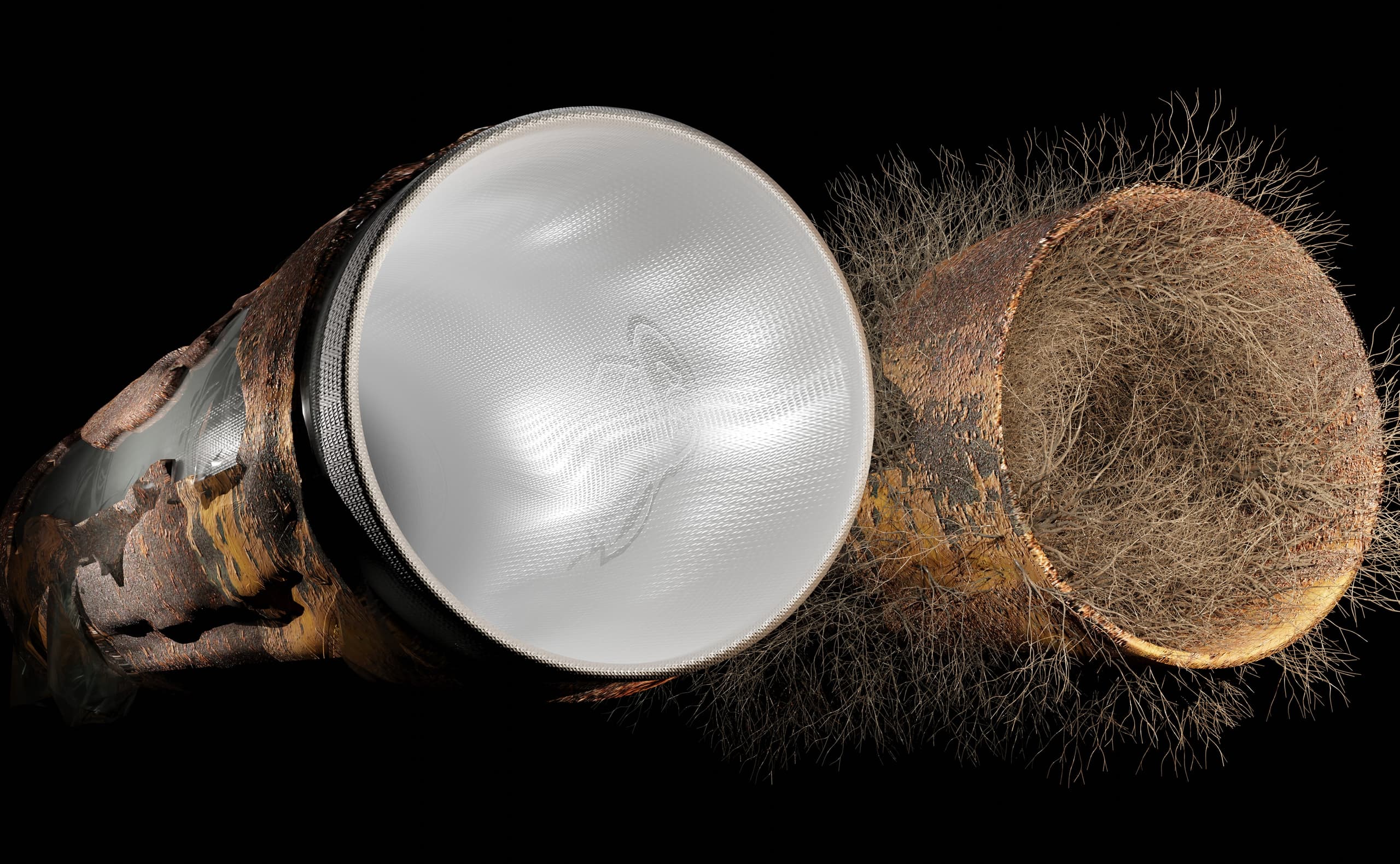
Orange County
Trenchless Sewer Lining for Orange County Properties
Orange County includes older residential neighborhoods, slab-on-grade homes, multifamily buildings, restaurants, commercial centers, hotels, offices, and institutional properties with sewer lines that are difficult to reach through conventional excavation.
Cast iron corrosion, clay-pipe root intrusion, separated joints, scale buildup, and repeated sewer stoppages are common reasons property owners begin looking for a repair beyond another cleaning.
Jetters N' Drains serves qualifying properties throughout Orange County, including Anaheim, Fullerton, Orange, Garden Grove, Santa Ana, Placentia, Buena Park, Irvine, Tustin, Huntington Beach, Costa Mesa, Newport Beach, Fountain Valley, Westminster, and Mission Viejo.
Why Jetters N' Drains
Why Choose Jetters N' Drains for Trenchless Pipe Lining?
Trenchless lining is a process, not a product dropped into a pipe. The result depends on the inspection, cleaning, equipment, liner preparation, installation control, curing, reinstatement, and final verification.
We Find the Cause
We inspect the pipe and identify the defect behind the repeated backup or failure.
Tap for a quoteWe Clean the Pipe Properly
We remove roots, scale, rust, grease, and debris before installation.
Tap for a quoteWe Reinspect After Cleaning
We verify the actual pipe condition after hidden defects have been exposed.
Tap for a quoteWe Recommend the Correct Method
We do not force lining into a pipe that needs another repair.
Tap for a quoteWe Handle the Full Installation
Our work includes access planning, cleaning, liner preparation, installation, curing, reinstatement, and verification.
Tap for a quoteWe Use Camera Documentation
The pipe is inspected before and after the repair.
Tap for a quoteWe Explain What We Found
Customers receive a clear explanation of the problem, the proposed repair, and the limitations of the method.
Tap for a quoteWe Work Around Real Properties
We plan around homes, businesses, tenants, operating schedules, finished surfaces, and site access.
Tap for a quote
Trenchless Pipe Lining Questions
What is trenchless pipe lining?
Is trenchless pipe lining the same as CIPP?
Can a collapsed sewer pipe be lined?
Can trenchless lining repair roots?
Can cast iron sewer pipe be lined?
Does the pipe have to be cleaned first?
Can trenchless lining fix a sewer belly?
Will the liner make the pipe smaller?
Do branch connections have to be reopened?
How long does trenchless pipe lining take?
Does trenchless lining require any digging?
Can trenchless lining be used under a house slab?
How do I know whether my pipe can be lined?
Resources
Related Guides
CIPP vs Dig-and-Replace: Cost Factors Homeowners Should Understand
What drives trenchless lining vs excavation quotes. No price promises, just the scope items that change the repair plan.
Read guideCIPP Trenchless Lining: How the Process Works
Step-by-step explanation of cured-in-place pipe lining for residential sewer repair in Orange County.
Read guideWhat to Expect on a Residential Sewer Repair Day in Orange County
How a typical jetting, inspection, or trenchless lining day is sequenced for OC homeowners.
Read guide
Next Step
Stop Repeating the Same Sewer Repair
If the same line keeps backing up, the problem may be structural damage beyond roots, grease, or debris. The pipe itself may be cracked, corroded, separated, or deteriorated.
Jetters N' Drains can inspect the line, show you what is happening inside the pipe, and determine whether trenchless pipe lining is the right repair.
Serving Orange County and surrounding Southern California communities within our established service area.