Advanced Trenchless Pipe Rehabilitation
Spray-in-Place Pipe Lining in Orange County, California
Jetters N' Drains uses spray-in-place pipe lining to restore selected sewer, drain, and waste piping from inside the existing line. After the pipe is inspected, cleaned, and prepared, specialized equipment applies rehabilitation material directly to the interior surface.
Spray lining can be an effective option for pipes affected by internal corrosion, surface deterioration, pinholes, minor cracking, leaking joints, and recurring buildup.
Every pipe is inspected before lining is recommended. Collapsed, severely displaced, or improperly configured piping may require another repair method.
SIPP Explained
What Is Spray-in-Place Pipe Lining?
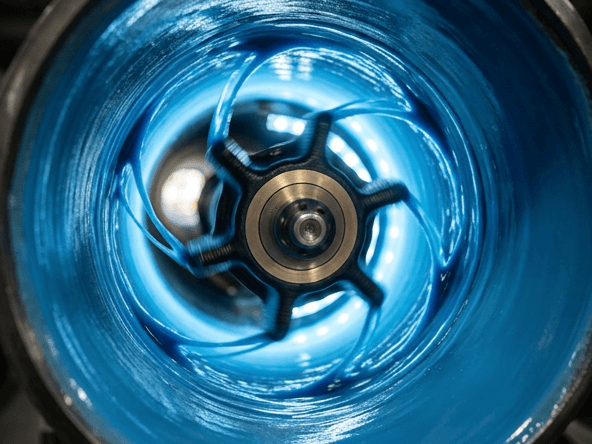
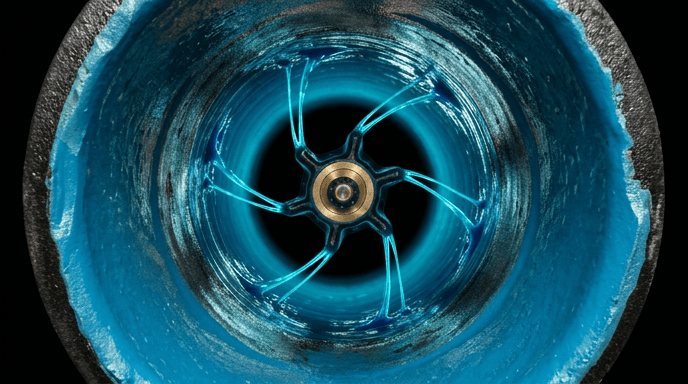
Spray-in-place pipe lining, commonly shortened to SIPP, is a trenchless rehabilitation process that applies a resin-based material directly to the inside of an existing pipe. Instead of inserting a fabric tube through the line, the application equipment travels through or is drawn through the prepared pipe while a controlled spray head distributes material around the interior circumference.
As the equipment moves through the pipe, the application rate, withdrawal speed, material flow, and spray pattern are controlled to produce a consistent lining. Multiple passes may be used when the project requires additional build thickness or coverage.
Once cured, the applied material forms a continuous interior surface that can isolate the host pipe from wastewater, moisture, corrosive conditions, and deposits.
Important distinction
Spray lining is not simply paint applied inside a pipe. Successful rehabilitation depends on cleaning, surface preparation, controlled material delivery, environmental conditions, cure management, and post-installation verification.
Depending on the selected material, installed thickness, pipe condition, and project requirements, a spray-applied lining may provide protective, semi-structural, or structural rehabilitation.
IPP Solutions Equipment
Controlled Application with IPP Solutions Equipment
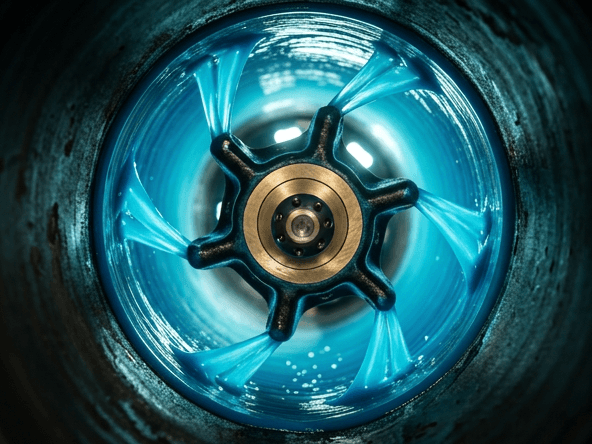
Jetters N' Drains uses specialized spray lining equipment from IPP Solutions for controlled in-pipe material application. The PipeCaster Pro platform is designed to meter and mix compatible lining materials before delivering them through a precision spray assembly.
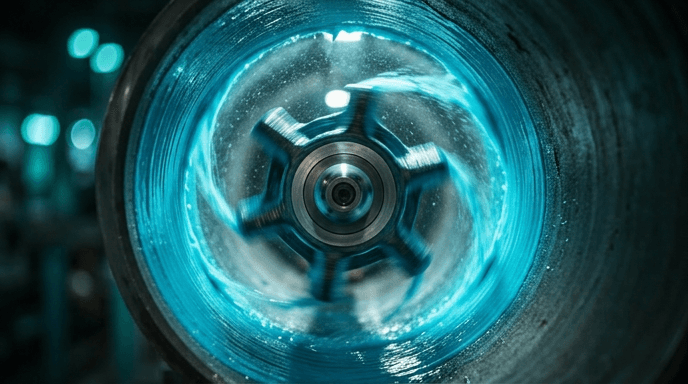
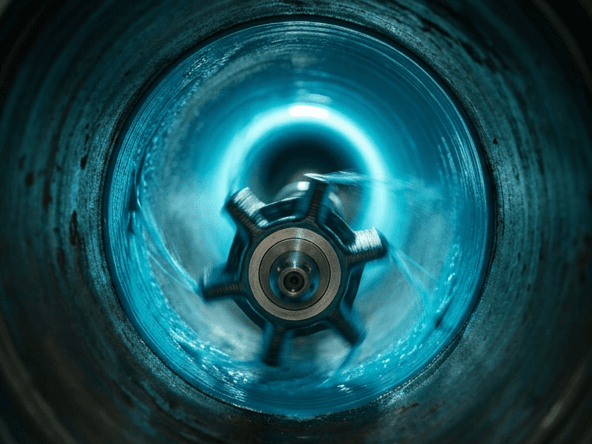
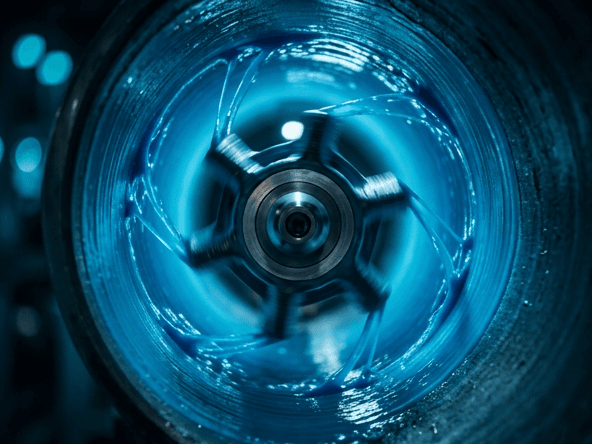
The rotating application head distributes material around the pipe wall as the assembly is retrieved through the line. This allows the crew to manage coverage and build the lining according to the material requirements and the condition of the pipe.
Depending on the approved material and project design, the system may be configured for different resin chemistries and mixing ratios. Material selection is not treated as a one-product-fits-all decision.
Controlled Material Delivery
The equipment meters and mixes compatible components so the lining material is delivered consistently during application.
Circumferential Coverage
A rotating spray head applies material around the interior wall rather than coating only the bottom channel of the pipe.
Adaptable Application
Spray application can be useful in selected pipes with bends, transitions, branches, and diameter changes that complicate other lining methods.
Multiple-Pass Capability
Additional controlled passes may be used when the specified material system and project design require greater build thickness.
Fast-Curing Materials
Compatible resin systems may offer relatively fast cure characteristics, helping limit system downtime when site conditions permit.
Visual Verification
The completed lining is inspected with CCTV so coverage, transitions, openings, and visible surface quality can be documented.
Inspection to finished lining
From deteriorated interior to spray-applied rehabilitation
Camera inspection documents the host pipe condition. Cleaning, preparation, and controlled spray application build a new interior surface when the line is a viable candidate.
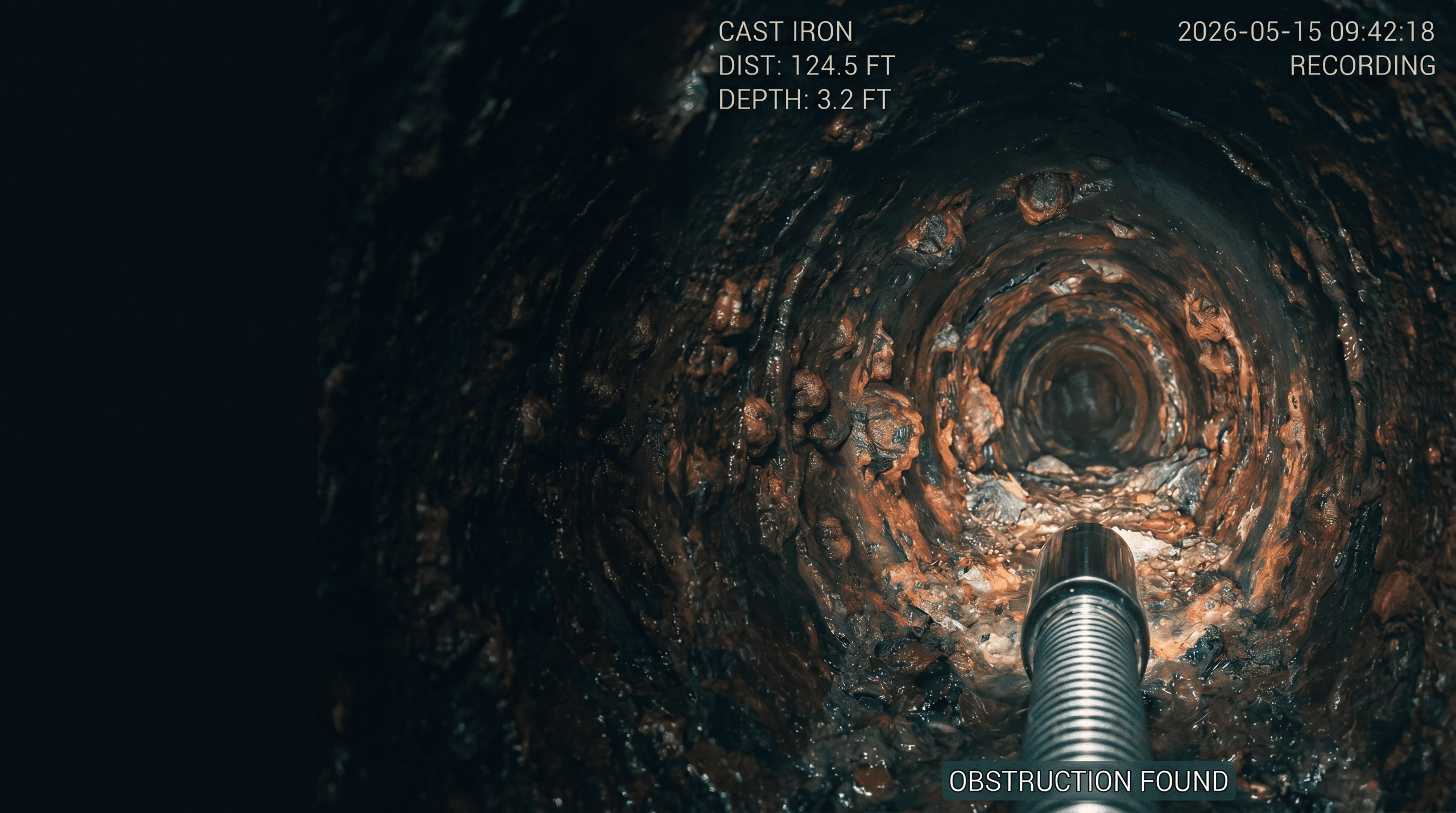 Before lining
 Preparation
 Application
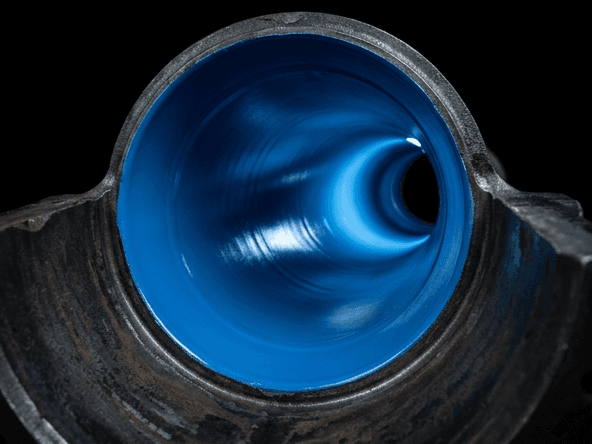 After lining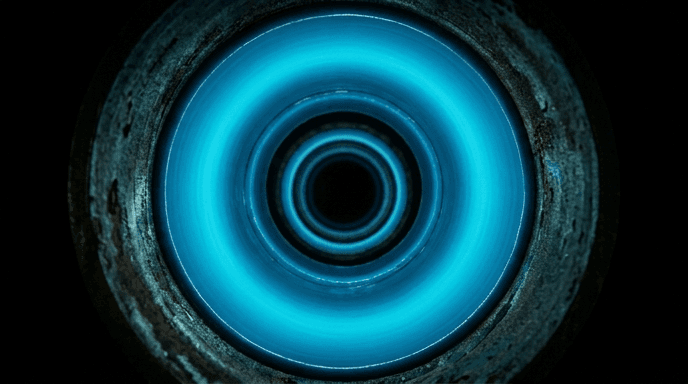
Candidacy
Pipe Conditions That May Be Candidates for Spray Lining
Spray lining is considered only after the line has been inspected and its defects have been identified. It is generally used to rehabilitate an existing pipe that still provides a viable pathway and can be cleaned and prepared for material adhesion.
Internal Corrosion
Cast iron and other metallic piping can lose material from the interior surface, develop scaling, and become increasingly rough. Cleaning and spray-applied rehabilitation may isolate the remaining pipe wall from continued contact with wastewater.
Pinholes and Minor Leakage
A properly selected lining system may seal small penetrations, localized porosity, and minor leakage paths when the surrounding pipe remains suitable for rehabilitation.
Leaking Joints
Spray-applied material may bridge and seal selected joints after the line has been stabilized, cleaned, and evaluated.
Surface Cracking
Minor cracks may be addressed when the host pipe remains aligned and capable of supporting the rehabilitation process. Crushed, collapsing, or significantly displaced sections require a different solution.
Recurring Buildup
A deteriorated, scaled interior catches solids and restricts flow. After mechanical cleaning and preparation, the smoother lining surface may reduce the locations where debris can collect.
Corrosion at Bends and Transitions
Spray application can provide coverage through certain fittings, bends, transitions, and changes in diameter where a conventional tube liner may be difficult to install without folds or restrictions.
Vertical Waste and Drain Lines
Depending on access, material selection, occupancy requirements, and system configuration, spray lining may be evaluated for vertical piping in multifamily, commercial, hospitality, and institutional buildings.
Branching Drain Systems
Selected branch configurations may benefit from spray-applied lining because the material is applied to the existing geometry. Every branch, opening, and transition must still be evaluated and verified.
Spray lining does not correct every defect. A pipe with a collapse, missing section, severe deformation, major offset, inadequate slope, active movement, or an obstruction that cannot be removed may require excavation, pipe bursting, sectional repair, or another rehabilitation method.
Our Process
How Jetters N' Drains Performs Spray Lining
Inspection, preparation, controlled application, cure, and verification are treated as one integrated rehabilitation process.
CCTV Inspection and Condition Assessment
We begin with a video inspection to identify the pipe material, diameter, access points, bends, branches, transitions, deposits, cracks, joints, offsets, deformations, active leakage, and other visible defects. The inspection helps determine whether the line is a viable candidate for cleaning and spray-applied rehabilitation. When the visible condition is unclear, additional testing or access may be required. Spray lining is not recommended until the crew understands the condition and geometry of the line.
See our sewer camera inspection service.
Access and System Planning
The crew determines how the equipment will enter the piping, how the line will be isolated, and how wastewater or building operations will be managed during the work. Existing cleanouts may provide suitable access in some systems. Other projects may require temporary access openings or limited excavation. Commercial and occupied-building projects may require phased shutdowns, tenant coordination, containment, ventilation, and protection of surrounding finishes.
Cleaning and Deposit Removal
The lining can perform only as well as the surface beneath it. Grease, scale, rust, mineral deposits, roots, loose corrosion, and other contaminants must be removed. Jetters N' Drains selects cleaning methods based on the pipe and deposit conditions. These methods may include hydro jetting, mechanical descaling, chain cleaning, specialized cutting equipment, or a combination of processes. Cleaning is not complete simply because water can pass through the line. The interior surface must be prepared for the specified lining material.
Cleaning may include hydro jetting, mechanical descaling, or robotic cutting.
Surface Preparation
After heavy deposits are removed, the pipe is further prepared to create a stable substrate. Loose material, residue, moisture, and contamination can interfere with adhesion and curing. The preparation standard depends on the substrate and the resin system. Cast iron, clay, concrete, PVC, and other materials do not all receive identical treatment. The crew must confirm that the surface condition is compatible with the selected product.
Drying and Environmental Control
Many resin systems require controlled moisture and temperature conditions. The pipe may need to be dried and ventilated before application. Ambient conditions, pipe temperature, humidity, active infiltration, and remaining moisture can affect application and cure behavior. Jetters N' Drains evaluates these conditions before introducing lining material.
Equipment Setup and Calibration
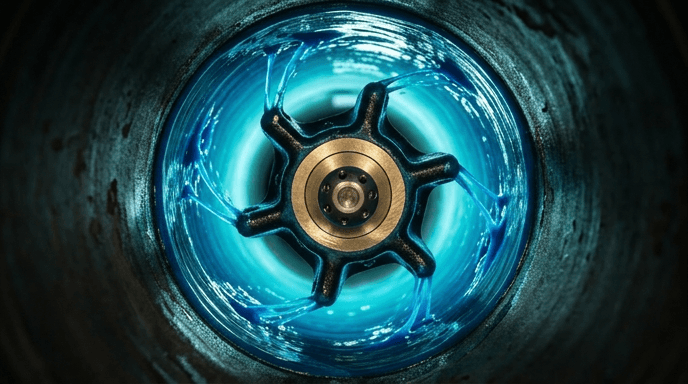
The material-delivery equipment is prepared according to the selected resin system. Components, hoses, pumps, mixing configuration, nozzle selection, material temperatures, and planned application rate are checked before lining begins. The crew establishes the retrieval speed and application plan required for the pipe diameter, geometry, desired coverage, and specified build.
Spray Application
The spray assembly is positioned in the pipe and the rotating head distributes mixed material around the interior circumference. The assembly is withdrawn through the line at a controlled speed so the material is applied continuously. The operator monitors material delivery, equipment behavior, retrieval, and coverage throughout the application. Complex transitions may require adjustments or additional attention.
Additional Passes When Required
Some projects may require more than one application pass. Additional layers may be applied only when permitted by the material system and installation procedure. The required thickness cannot be selected from a generic marketing claim. It must be based on the material, pipe condition, service environment, and intended rehabilitation performance.
Controlled Cure
The applied material must cure under the conditions required by the manufacturer. The line remains out of service until the material has reached the required cure state. Cure time varies according to the product, material temperature, ambient conditions, pipe temperature, thickness, and project configuration.
Post-Lining CCTV Verification
After curing, Jetters N' Drains performs a final camera inspection. The crew checks visible coverage, surface continuity, transitions, bends, branch openings, terminations, and the general condition of the finished lining. Any required openings must remain functional and free of unintended restriction. Final documentation may include video, still images, project notes, and other records appropriate for the scope.
Method Comparison
Spray Lining and CIPP Are Different Rehabilitation Methods
Jetters N' Drains offers trenchless repair options because no single method is best for every pipe. Spray-in-place pipe lining and cured-in-place pipe lining solve different access, geometry, and rehabilitation problems.
| Consideration | Spray-in-Place Pipe Lining | Cured-in-Place Pipe Lining |
|---|---|---|
| Installation Method | Material is sprayed directly onto the prepared pipe interior. | A resin-saturated tube is inserted or pulled into the host pipe and cured. |
| Carrier Material | No fabric tube is installed. The resin-based material is applied directly. | Uses a felt, fiberglass, or other resin-carrying liner tube. |
| Complex Geometry | May be advantageous for selected bends, transitions, branches, and diameter changes. | Often effective for continuous pipe runs, but complex fittings and diameter changes require careful design. |
| Thickness | Built through controlled application and, when specified, multiple passes. | Primarily determined by liner design, tube construction, resin system, and engineering requirements. |
| Service Openings | Selected openings may remain visible during application, depending on geometry and process control. | Openings covered by the tube generally require reinstatement after curing. |
| Best Application | Selected deteriorated pipes that can be thoroughly cleaned, prepared, and coated. | Selected continuous runs requiring a formed liner installed within the host pipe. |
 SIPP
SIPP CIPP
CIPPThe proper method depends on pipe condition, access, diameter, geometry, defect type, service requirements, and project objectives. When CIPP is the better fit, we also provide trenchless CIPP pipelining.
Applications
Residential and Commercial Spray Lining Applications
Residential
Residential systems may contain aging cast iron, corroded waste lines, difficult-to-access drain piping, and sections located beneath slabs, finished floors, patios, driveways, or landscaping. When the pipe remains suitable for rehabilitation, spray lining may reduce the amount of demolition required to restore the interior surface.
- under-slab drain lines
- cast iron waste piping
- kitchen and laundry drain lines
- selected sewer laterals
- vertical drain and waste stacks
- pipes below finished floors
- pipes near landscaping or hardscape
- difficult fittings and transitions
Commercial
Commercial properties often need repair methods that reduce shutdown time and limit disruption to tenants, customers, employees, residents, and building operations. Spray lining may be evaluated as part of a phased rehabilitation plan for accessible drain, waste, sewer, and selected process piping.
- apartment and condominium buildings
- hotels and hospitality properties
- restaurants and food-service facilities
- retail properties
- office buildings
- schools and campuses
- healthcare and institutional properties
- industrial and warehouse facilities
- property management portfolios
- vertical waste stacks
- underground building drains
- selected storm and process piping
Applications depend on the exact resin system, pipe use, temperatures, chemical exposure, pressure conditions, code requirements, and manufacturer limitations. Jetters N' Drains does not recommend a material until these conditions are reviewed.
Technical Factors
What Determines the Performance of a Spray-Applied Lining?
A spray lining project should not be evaluated solely by the name of the machine used to apply it. The equipment controls delivery, but long-term performance depends on the complete rehabilitation process.
Host-Pipe Condition
The remaining pipe must be evaluated for stability, deformation, missing wall, alignment, slope, and active movement. Lining cannot correct every physical failure.
Surface Cleanliness
Adhesion depends on removing contamination, loose corrosion, grease, scale, deposits, and residue from the substrate.
Moisture Control
Standing water, active infiltration, condensation, and excessive moisture may interfere with selected resin systems.
Material Selection
Epoxy, polyurethane, polyurea, and other systems have different cure behavior, flexibility, chemical resistance, hardness, adhesion characteristics, and installation requirements.
Installed Thickness
The intended build must be established for the application. A thin corrosion barrier and a thicker rehabilitation layer do not provide identical performance.
Mixing Accuracy
Multi-component materials require controlled proportioning and mixing. Incorrect ratios can affect cure and finished properties.
Application Consistency
Withdrawal speed, material flow, spray pattern, pipe geometry, and operator control affect coverage.
Cure Conditions
Temperature, humidity, pipe condition, material temperature, and time influence curing.
Terminations and Transitions
Ends, branches, fittings, changes in diameter, and connections must be handled carefully to avoid weak transitions or restrictions.
Final Inspection
A post-installation camera inspection confirms visible coverage and identifies areas requiring correction before the system is returned to normal service.
Benefits
Why Use Spray Lining Instead of Immediate Full Replacement?
When the existing pipe is a good candidate, spray lining may allow Jetters N' Drains to rehabilitate the internal surface while reducing the amount of demolition needed to expose the complete line.
Less Demolition
The process may use existing access points or limited access openings rather than exposing the entire pipeline.
Protection of Finished Areas
Reducing excavation may help preserve slabs, tile, flooring, walls, landscaping, pavement, and other finished surfaces.
Access to Difficult Geometry
Spray application can be evaluated for selected bends, transitions, fittings, and diameter changes.
Smooth Interior Surface
The cured lining creates a more uniform interior than a heavily scaled or corroded host pipe.
Corrosion Isolation
An appropriate lining material can separate the remaining host pipe from wastewater and other service conditions.
Reduced Operational Disruption
Commercial and multifamily work may be phased to limit shutdowns and disruption.
Targeted Rehabilitation
Spray lining may be used as one part of a larger repair plan that also includes cleaning, sectional lining, CIPP, spot repair, excavation, or pipe replacement.
Documented Condition
Pre-installation and post-installation CCTV can provide a clear record of visible pipe conditions and completed work.
Limitations
When Another Pipe Repair Method May Be Required
A responsible trenchless contractor must identify when lining is not the correct answer. Jetters N' Drains evaluates the full condition of the pipe before recommending spray lining.
- collapsed or crushed pipe
- a missing pipe section
- severe deformation
- major joint displacement
- an offset that prevents equipment passage
- incorrect or failed slope
- active structural movement
- heavy groundwater infiltration that cannot be controlled
- roots or obstructions that cannot be removed
- a surface that cannot be adequately cleaned
- insufficient access
- an incompatible pipe service or chemical environment
- a configuration that prevents reliable application or inspection
When spray lining is not appropriate, Jetters N' Drains can evaluate other options such as CIPP lining, hydro jetting, drain cleaning, or conventional replacement.
Orange County
Spray Pipe Lining for Orange County Properties
Orange County contains a wide range of plumbing systems, from aging cast iron in established homes and multifamily properties to heavily used commercial drain networks in restaurants, hotels, retail centers, and institutional buildings.
Jetters N' Drains evaluates spray-in-place pipe lining for qualifying projects throughout Orange County.
Jetters N' Drains serves qualifying properties throughout Orange County, including Anaheim, Fullerton, Orange, Garden Grove, Santa Ana, Placentia, Buena Park, Irvine, Tustin, Huntington Beach, Costa Mesa, Newport Beach, Fountain Valley, Westminster, and Mission Viejo.
Local conditions do not eliminate the need for a pipe-specific assessment. Pipe material, installation history, access, groundwater, corrosion, use, and previous repairs all influence whether spray lining is appropriate.
Why Jetters N' Drains
Why Choose Jetters N' Drains for Spray Lining?
Spray lining requires trained preparation beyond owning application equipment. The pipe must be accurately inspected, aggressively cleaned when necessary, properly prepared, lined under controlled conditions, and verified after curing.
Complete Pipe Evaluation
We inspect the line before recommending a rehabilitation method.
Cleaning and Descaling Capability
Our crews can address grease, roots, corrosion scale, and other deposits that must be removed before lining.
Multiple Rehabilitation Options
We do not rely on spray lining as the answer to every pipe problem. We evaluate spray lining, CIPP, cleaning, targeted repair, and replacement based on the condition found.
Technical Application
The equipment setup, material delivery, spray pattern, retrieval, cure, and final inspection are treated as controlled parts of the installation.
Residential and Commercial Experience
We evaluate piping in homes, multifamily buildings, commercial properties, and other occupied facilities.
Pre- and Post-Work Verification
Camera inspection helps document the pipe before rehabilitation and the visible condition of the finished lining.
Clear Recommendations
We explain what the inspection shows, what the proposed method can address, and where its limitations apply.
Spray-in-Place Pipe Lining Questions
Is spray lining the same as CIPP?
Is spray lining structural?
Can spray lining repair a collapsed pipe?
Can spray lining be used in cast iron pipe?
Can the material go around bends?
Does the pipe have to be cleaned first?
How long does spray lining take?
Can spray lining be used under a slab?
Will spray lining reduce the pipe diameter?
Can spray lining stop roots?
Can spray lining be used in commercial buildings?
How do I know whether my pipe can be spray lined?
Resources
Related Guides
SIPP vs CIPP: Which Lining Method Fits Which Pipe
Compare spray-in-place pipe lining and cured-in-place tube lining for Orange County sewer rehabilitation.
Read guideCIPP Trenchless Lining: How the Process Works
Step-by-step explanation of cured-in-place pipe lining for residential sewer repair in Orange County.
Read guideCIPP vs Dig-and-Replace: Cost Factors Homeowners Should Understand
What drives trenchless lining vs excavation quotes. No price promises, just the scope items that change the repair plan.
Read guide
Pipe Evaluation
Find Out Whether Your Pipe Is a Candidate for Spray Lining
Do not commit to full demolition or pipe replacement until the existing line has been inspected. Jetters N' Drains can evaluate the pipe, explain the visible defects, and determine whether spray-in-place pipe lining or another repair method is appropriate.
Serving Orange County and surrounding Southern California communities within our established service area.